When you think of a sofa, the immediate association is with comfort, relaxation, and coziness. But there are habits that could betray that sense of wellbeing. For example, prolonged sofa use could affect neck health more than we think. Especially if you lead a sedentary lifestyle, understanding the correlation between posture on the sofa and neck and back problems becomes crucial. So, let’s explore how our most established daily habits can contribute to neck issues and discover solutions for healthier, more comfortable sitting—so that sofa time and relaxation truly become one and the same!
Posture: why you shouldn’t underestimate it even when you’re on the sofa!
Posture is a person’s habitual stance—the body alignment they adopt as they adjust to their surroundings. Maintaining correct posture, especially in certain positions where we spend much of our time, is crucial for our health. That’s why, even when we talk about the sofa, posture is not something to underestimate: when we sit down, our posture can vary greatly, and the sofa—often seen as a place to relax—can turn into fertile ground for poor postural habits. Incorrect prolonged sitting can significantly affect posture and the neck, producing effects on the cervical spine. For this reason, we need to be careful. A lack of proper support and inadequate sofa ergonomics can push us into harmful positions, putting excessive pressure on the cervical area. And these harmful positions, if repeated consistently over time, can increase the risk of muscle tension and persistent, annoying neck pain.
The link between the sofa, posture, and the neck: challenges and solutions for comfortable, healthy sitting
As we said, the sofa, a symbol of comfort and relaxation, can represent an often underestimated risk to postural health. Habits related to sofa use can contribute to significant challenges in maintaining healthy posture, especially when sitting for long periods.
So, when choosing a sofa, there are several factors to consider, and they don’t only relate to style and looks. It’s important to assess a sofa from an ergonomic point of view too, choosing the model that best suits how we want to use it. If you spend many hours sitting, you should opt for recliner models, designed specifically to support the body and provide maximum comfort. In fact, they feature reclining mechanisms and are often paired with footrests, allowing you to adjust the position to suit personal needs and support the best posture.
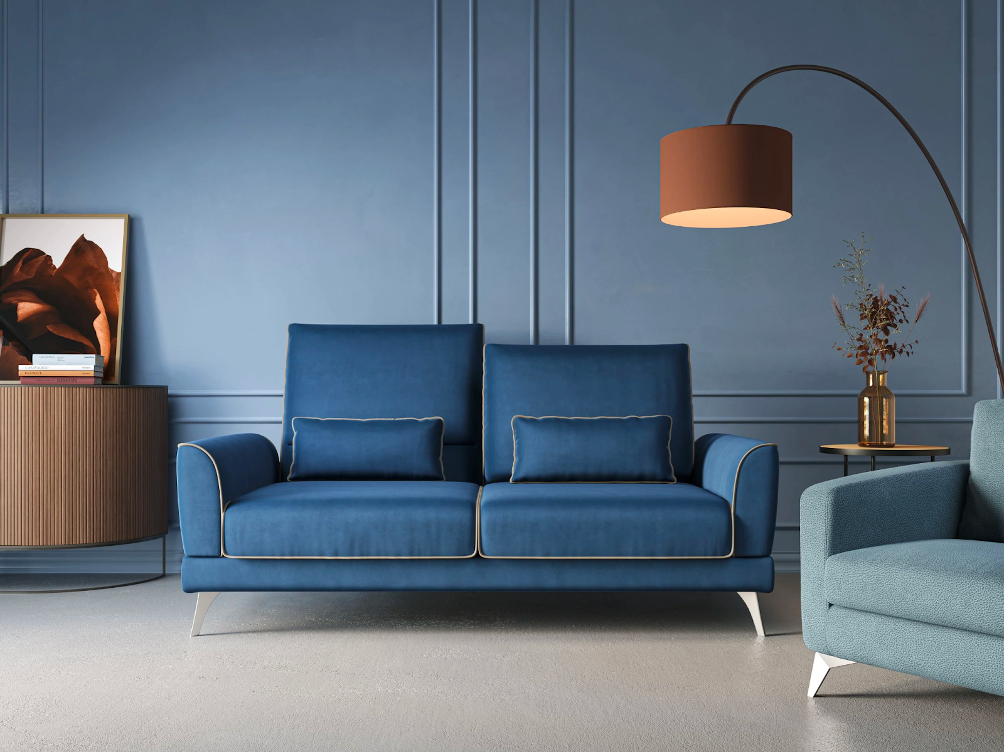
Let’s think about the seat: the depth and softness of the cushions, for example, can encourage an incorrect posture, with the lower back sinking too deeply, causing an unnatural tilt of the pelvis. This can alter spinal alignment and contribute to tension and neck pain. That’s why the advice is to choose a sofa with ergonomic cushions, such as Zeno, a 3-seater sofa with pull-out in soft waterproof fabric. Not only an aesthetically elegant model with a modern style, but also designed to help you maintain proper posture, thanks to cushions with lumbar supports that are true built-in supports able to provide targeted support to the lower back area, improving spinal alignment during your moments of relaxation and helping prevent any cervical issues linked to prolonged sitting. Zeno confirms that style and comfort are not alternatives.

Sofa in soft fabric - divani.store
Read the article sleeping on the sofa: what does it involve?
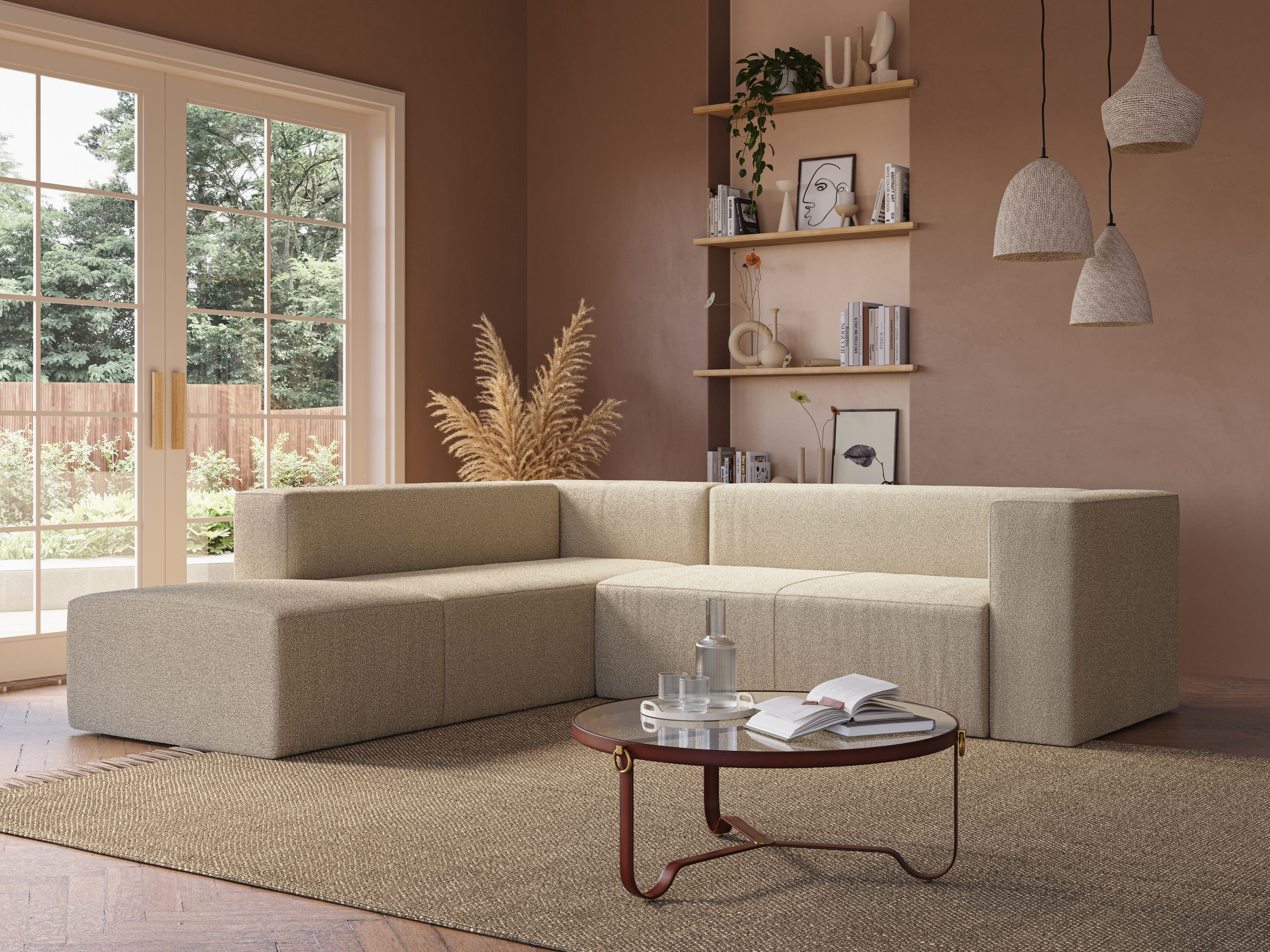
Another extremely important consideration to identify the perfect sofa for your living room—and for your health!—is headrests. If you already know from the start that you’ll spend a lot of time on the sofa, then it’s important to opt for models with reclining headrests that can take care of your neck and shoulders. An example? Blade, a corner sofa with a minimal, modern design created to guarantee maximum ergonomics. Its reclining headrests with 7 different tilt levels are perfect for adapting to any sitting position and provide correct positioning and support for the cervical area. All of this without neglecting aesthetics: Blade is a modern model with soft lines, available in 12 different colors, to best match the style of your living room!

Corner sofa with reclining headrests - divani.store
Always remember that habits make the difference, too. Alternating between different sitting positions, such as getting up and stretching periodically, can help prevent muscle stiffness and improve circulation. Developing postural awareness while using the sofa is essential to avoid neck and back problems.
In conclusion, while the sofa offers a haven of relaxation, it is essential to be aware of its potential impacts on posture. By incorporating small changes in sitting habits and choosing the right model, it is possible to have a sofa that is both a place of comfort and one that supports the long-term health of the cervical spine.
Tips for proper posture: get the most out of your sofa!
Once you’ve chosen the ergonomic sofa that best matches your aesthetic preferences, don’t forget to enjoy it to the fullest, without neglecting healthy habits. So, here are some practical tips to optimize your sitting position and prevent any neck problems.
First of all, awareness is key. Paying attention to your body position while you’re sitting on the sofa can make all the difference. Sit with your back straight, keeping your head aligned with your spine. This natural position reduces strain on the neck and promotes an even distribution of weight.
Don’t forget that using support cushions can be extremely beneficial. Placing a cushion behind the lumbar area can help maintain the natural curve of the spine, reducing pressure on the neck. Likewise, a small cushion under the knees can relieve tension in the lower back, further improving overall posture. And slightly raising your feet on a footrest, if available, can be a real lifesaver. What do you think of the Minerva model? A sofa whose comfort is absolutely beyond question. With a timeless design and a tall, soft backrest, the Minerva sofa is made of soft fabric and comes with a pull-out pouf for a wide, deep seat where you can comfortably stretch out your legs. The comfortable double-density seats and the soft, tall backrest are also a treat for your back.

Corner sofa with pull-out - divani.store
In conclusion, it’s undeniable that the posture we adopt when we’re on the sofa can affect the health of our back, and especially the cervical area. Adopting mindful habits while relaxing on the sofa is therefore essential to avoid muscle tension and pain. For this reason, the heartfelt advice is to choose an ergonomic sofa model, designed to encourage a healthy and comfortable posture and featuring adequate lumbar and cervical support to reduce muscular strain. And what’s more, remember that if everyday habits of sitting on the sofa can turn into a recipe for neck issues, it’s important to adopt small adjustments that can make a difference. Investing in your posture today means protecting your neck health for the future: choose a sofa that promotes physical wellbeing, as well as elegance and style!