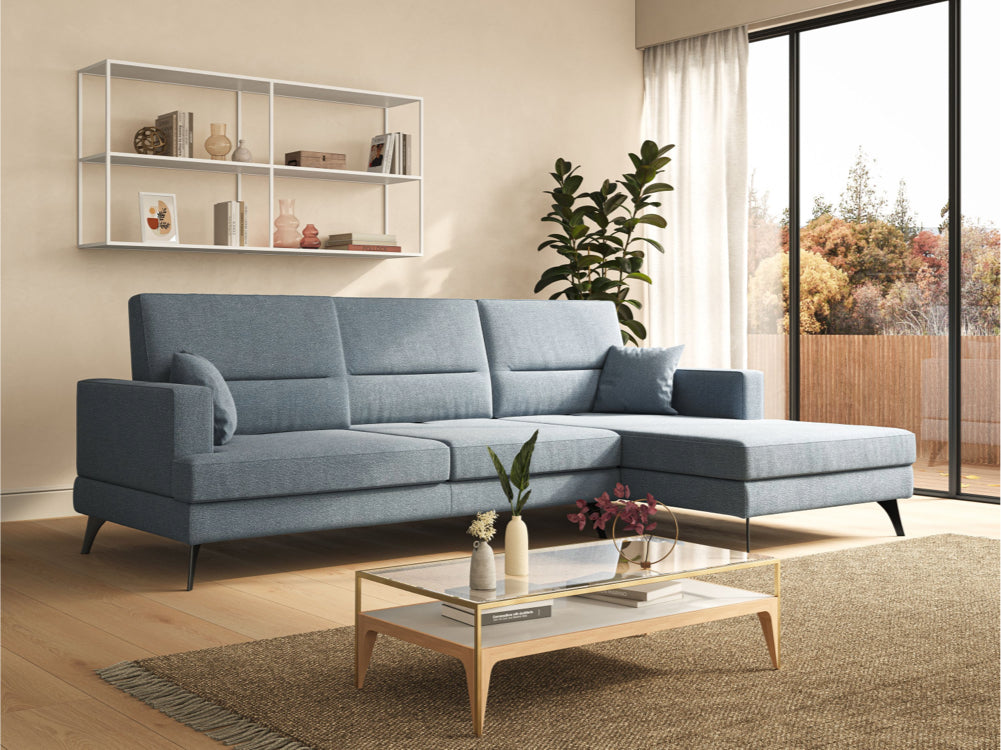
The sofa and the radiator are key elements in any home. The sofa represents comfort and sociability, while the radiator provides the warmth you need during the coldest months. However, placing a sofa too close to the radiator can involve risks, including damage to the sofa due to heat and dry air. In this article, we’ll explore tips on how to keep your sofa safe when it’s located near a radiator.
Where to place the sofa? We might decide to put it near the fireplace, so that the warmth during long winter evenings keeps us cozy while we enjoy a family night in front of the TV. If we don’t have a fireplace in our home, it’s likely the sofa will still be placed facing the TV and perhaps at some distance from the kitchen table.
In open-plan spaces, it’s also a great alternative for separating areas properly. And radiators? Having a seat near the heater during winter could be a great idea to combine relaxation and warmth. But are we sure we won’t damage the fabric?
Sofa and heat: what are the risks?
Heat isn’t always an ally for our beloved furniture, especially for materials that tend to change their natural look and colour if exposed for too long. Fabric sofas are usually less affected by heat than leather or faux-leather sofas. The latter, in fact, tend to fade over time and lose elasticity.

Uranio straight sofa in faux leather – divani.store
This doesn’t mean we can’t still enjoy the radiator’s warmth while we relax reading a book on our sofa; however, it’s a good idea to take a couple of small precautions.
- Distance between sofa and radiator: keeping a distance between the sofa and the radiator of about 40–50 cm is definitely a great strategy to avoid deteriorating the upholstery material.
- Cover the sofa with a blanket. If from time to time we just can’t resist sitting right next to the heater to warm up, it’s best to cover the part of the sofa in contact with a blanket and, in any case, not keep it close for too long.
Leather sofa and radiator
A leather or faux-leather sofa is certainly a refined furnishing element and much loved for creating a chic look while still being truly comfortable and cosy. A leather sofa, however, also requires a certain amount of maintenance, and the heat from a radiator, if too close, could damage it.
Our advice is to always keep a distance of about 40–50 cm from the radiator, so you won’t run into any kind of problem.

Uranio straight sofa in faux leather – divani.store
Use Radiator Covers
To protect the sofa from the radiator’s direct heat, you can consider using radiator covers. These covers are designed to create a barrier between the sofa and the radiator, thereby reducing the risk of heat-related damage. They are available in a variety of styles and materials, so you can choose a cover that suits your home’s aesthetic.
Radiator covers not only protect the sofa, but can also be used as design elements. You can opt for colours or patterns that match your décor, adding a touch of style to the room.
Check Humidity Levels
Another important aspect to consider when placing a sofa near a radiator is the humidity level. Radiators can affect humidity levels in the surrounding environment, and if the sofa is made of humidity-sensitive materials, it could suffer long-term damage.
If you notice the room is too dry, consider using a humidifier to increase humidity. Conversely, if the room is too humid, you may need a dehumidifier.
Keeping humidity levels within the ideal range will not only protect your sofa, but will also help create a more comfortable environment.